Opzioni di combustibile per tavolo camini: Guida per paesaggisti su propano, gas naturale e bioetanolo
- Published:
Loading image...

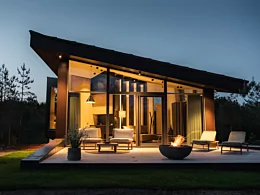
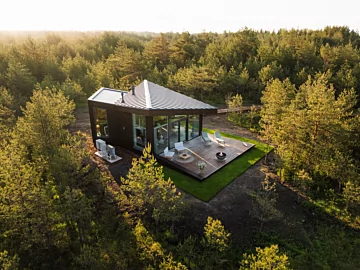
© dharmaresort.ee. Photo: Priidu Saart. saartvisuals.com Loading image...
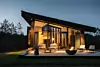
© dharmaresort.ee. Photo: Priidu Saart. saartvisuals.com Ogni progetto paesaggistico ha un momento in cui gli occhi di un cliente si illuminano alla menzione di un elemento fuoco. È l'elemento che trasforma uno spazio esterno da funzionale a indimenticabile. Ma dietro quella visione c'è una decisione critica che plasmerà il successo del progetto: quale tipo di combustibile alimenterà la fiamma?
Per i professionisti del paesaggio, la selezione del combustibile non riguarda semplicemente la potenza termica o l'estetica. Si tratta di comprendere i vincoli infrastrutturali, gestire le aspettative dei clienti e fornire installazioni che funzionino perfettamente per anni. La scelta sbagliata può significare costosi adattamenti, clienti delusi o complicazioni di sicurezza che offuscano la vostra reputazione.
Questa guida elimina la confusione su propano, gas naturale e tavoli fuoco a bioetanolo. Scoprirete le specifiche tecniche, i requisiti di installazione e le considerazioni pratiche che contano di più quando si specificano elementi fuoco per progetti residenziali e commerciali. Che stiate progettando un rifugio intimo nel cortile o un vasto complesso ricettivo, comprendere queste opzioni di combustibile vi aiuterà a fare raccomandazioni che deliziano i clienti e mettono in mostra la vostra competenza.

Understanding fire table fuel fundamentals
The fuel powering a fire table influences far more than flame height. It determines installation complexity, ongoing maintenance requirements, operating costs, and even where the feature can be positioned within a landscape design. Getting this decision right from the outset saves time, protects margins, and builds client trust.
How fuel choice shapes project outcomes
Every fuel type brings distinct characteristics that ripple through the entire project lifecycle. Propane offers portability but requires tank management. Natural gas delivers unlimited supply but demands infrastructure investment. Bioethanol provides unmatched placement flexibility but operates at different heat thresholds than gas alternatives.
These differences affect your scope of work, the trades you'll need to coordinate with, and the ongoing relationship you'll have with your client. A residential installation with existing gas infrastructure presents very different opportunities than a remote commercial venue without utility connections.
Key factors landscapers must evaluate
Before recommending any fuel type, assess the site's existing infrastructure, the client's usage patterns, and local regulatory requirements. Consider questions like: Does the property have natural gas service? Is the fire table position fixed or might the client want flexibility? Will the feature be used primarily for ambiance or as a heat source during cooler months?
According to industry guidance from the Landscape Industries Association, fire features rank among the top five most requested outdoor living elements, yet they also generate significant callback rates when fuel selection doesn't align with client expectations.
Client expectations vs practical realities
Clients often arrive with Pinterest-worthy visions but limited understanding of what different fuel types require. Your role is to translate their aesthetic goals into practical recommendations. Some clients imagine the romance of flickering flames but haven't considered where they'll store propane tanks. Others assume natural gas installation is straightforward, unaware of the trenching and permits involved.
Setting realistic expectations early prevents disappointment later. When you explain the trade-offs clearly, clients appreciate your expertise and trust your guidance on the details that matter.
Propane fire tables: Portable power for versatile projects
Loading image...


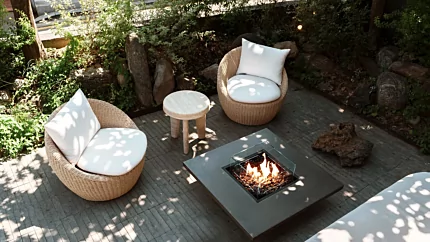
Propane remains the most popular fuel choice for fire tables, and for good reason. It combines meaningful heat output with installation flexibility that gas-line dependent options simply cannot match. For landscapers, propane fire tables often represent the path of least resistance, particularly for retrofit projects or properties without natural gas service.
How propane fire tables work
Propane fire tables connect to standard liquid propane cylinders, typically 9kg (20lb) tanks that fit discreetly within the table's base or in a nearby concealed location. A regulator controls gas flow to the burner, where electronic or manual ignition systems bring the flame to life.
Most quality propane fire tables produce between 40,000 and 65,000 BTU/h, generating substantial warmth that extends the usability of outdoor spaces well into cooler evenings. At maximum output, a standard tank provides approximately 8 to 20 hours of burn time, depending on flame height settings and ambient conditions.
Installation considerations for landscapers
The beauty of propane installations lies in their simplicity. There's no need to coordinate with gas fitters or obtain plumbing permits. You can position the fire table virtually anywhere within the landscape design, provided you maintain appropriate clearances from combustible materials and structures.
However, consider the practical aspects of tank access. Clients will need to exchange or refill tanks periodically, so ensure the storage location is accessible without disrupting the landscape aesthetic. Many premium fire tables feature integrated tank compartments that keep cylinders hidden while allowing easy access for replacement.
"When specifying propane fire features, always discuss tank logistics with your client upfront," advises the National Fire Protection Association's guidance on outdoor gas appliances. "Understanding refill frequency and storage preferences prevents frustration after installation."
Best applications for propane fire tables
Propane excels in scenarios where flexibility matters most. Rental properties benefit from the ability to reposition features as needs change. Properties without natural gas service gain access to high-output fire features that would otherwise require significant infrastructure investment. Clients who entertain in different areas of their garden appreciate the option to relocate their fire table seasonally.
Commercial installations in locations with limited infrastructure, such as wineries, rural event venues, or temporary hospitality setups, often rely on propane for its self-contained operation.
Propane advantages and limitations
Advantages:
Propane delivers immediate installation without infrastructure requirements. It produces substantial heat output suitable for cooler climates. The fuel is widely available at hardware stores, service stations, and dedicated suppliers. Equipment costs typically run lower than natural gas alternatives, and the ability to relocate installations adds long-term value.
Limitations:
Tank management requires ongoing attention. Clients must monitor fuel levels and arrange refills or exchanges. Operating costs exceed natural gas over time, particularly for frequent users. Some regions impose restrictions on propane storage or usage, especially in multi-dwelling developments or bushfire-prone areas.
Tavolo camini a gas naturale: La soluzione per installazioni permanenti
Loading image...

© @damarisurizardesign Per i clienti che cercano un elemento di fuoco senza manutenzione con fornitura illimitata di combustibile, il gas naturale rappresenta la scelta premium. L'investimento iniziale più elevato viene ripagato attraverso costi operativi inferiori e la comodità di non rimanere mai senza combustibile durante un evento.
Requisiti di connessione per il gas naturale
I tavolo camini a gas naturale si collegano direttamente alla fornitura di gas della proprietà attraverso tubazioni dedicate. Ciò richiede il coordinamento con un installatore di gas autorizzato che valuterà la capacità di fornitura, installerà linee di dimensioni appropriate fino alla posizione del tavolo camino e garantirà che tutti i collegamenti siano conformi agli standard pertinenti.
Il dimensionamento della linea del gas è di notevole importanza. Secondo le specifiche del settore, una linea da ¾ di pollice a 18 metri (60 piedi) può fornire fino a circa 138.000 BTU, mentre una linea da 1 pollice a 38 metri (125 piedi) eroga circa 175.000 BTU. Linee sottodimensionate comportano un'altezza della fiamma deludente e una ridotta produzione di calore, pertanto calcoli accurati durante la fase di progettazione sono essenziali.
Collaborare con professionisti del gas
Come paesaggista, il vostro ruolo comporta coordinamento piuttosto che esecuzione quando si tratta di infrastruttura del gas. Stabilite relazioni con installatori di gas autorizzati affidabili nella vostra zona che comprendano i requisiti specifici degli elementi di fuoco esterni. Fornite loro le specifiche del produttore, inclusi i requisiti BTU e le pressioni di ingresso raccomandate, con largo anticipo rispetto al giorno dell'installazione.
Integrare questo nel vostro programma di progetto previene ritardi. I lavori sul gas richiedono tipicamente permessi e ispezioni che possono estendere le tempistiche del progetto di giorni o settimane a seconda dei tempi di elaborazione delle autorità locali.
Vantaggi in termini di costi e prestazioni a lungo termine
Sebbene le installazioni a gas naturale richiedano un investimento iniziale maggiore, l'economia operativa cambia drasticamente nel tempo. Il gas naturale costa significativamente meno per BTU rispetto al propano, e molti proprietari di casa riferiscono di notare appena l'impatto sulle loro bollette, anche con un uso frequente.
"Per i clienti che prevedono di utilizzare regolarmente il loro elemento di fuoco, il gas naturale diventa tipicamente più economico entro il primo o secondo anno di proprietà", osserva la guida della Gas Appliance Manufacturers Association. "L'eliminazione della gestione dei serbatoi aggiunge anche un valore di stile di vita difficile da quantificare."
I tavolo camini a gas naturale offrono anche prestazioni costanti. Non c'è un calo graduale di pressione come quando un serbatoio si svuota, il che significa che l'altezza della fiamma e la produzione di calore rimangono stabili durante ogni utilizzo.
Vantaggi e limitazioni del gas naturale
Vantaggi:La fornitura illimitata di combustibile elimina completamente la gestione dei serbatoi. I costi operativi continuativi inferiori avvantaggiano gli utenti frequenti. La pressione costante garantisce prestazioni della fiamma affidabili. L'installazione permanente aggiunge valore alla proprietà e segnala qualità.
Limitazioni:I requisiti di installazione professionale aumentano sostanzialmente i costi iniziali. La posizione del tavolo camino diventa fissa una volta installate le linee del gas. Le proprietà senza servizio di gas esistente affrontano un investimento infrastrutturale significativo. Le tempistiche di installazione si allungano a causa dei requisiti di autorizzazione e ispezione.
Tavolo camini a bioetanolo: Combustione pulita e libertà di design
Loading image...

© Moran Gozali Interior Architecture / Photo: Ruslan & Gali Paul Il bioetanolo rappresenta l'opzione di combustibile più versatile disponibile, offrendo una flessibilità di installazione che né il propano né il gas naturale possono eguagliare. Per progetti orientati al design dove l'estetica e le opzioni di posizionamento hanno la priorità, i tavolo camini a bioetanolo aprono possibilità che le opzioni a gas convenzionali semplicemente non possono offrire.
Comprendere il bioetanolo come fonte di combustibile
Il bioetanolo e un combustibile rinnovabile derivato da zuccheri vegetali fermentati, tipicamente provenienti da mais, canna da zucchero o grano. Quando brucia, produce solo calore, vapore acqueo e quantita minime di anidride carbonica, circa equivalenti alla quantita esalata da alcune persone in conversazione. Non c'e fumo, ne fuliggine, ne emissioni nocive che richiedano ventilazione.
Questa caratteristica di combustione pulita distingue il bioetanolo da tutti gli altri combustibili per tavolo camini. E l'unica opzione che puo funzionare in sicurezza in ambienti interni quando utilizzata con l'attrezzatura appropriata e in spazi adeguatamente ventilati.
Flessibilita di installazione e opzioni di posizionamento
Senza linee del gas o serbatoi ingombranti da sistemare, i tavolo camini a bioetanolo possono essere posizionati praticamente ovunque. Terrazze sui tetti, cortili interni, verande coperte e persino spazi interni diventano ubicazioni praticabili. Questa flessibilita consente a paesaggisti e designer di integrare elementi di fuoco in spazi dove i vincoli infrastrutturali li renderebbero altrimenti impossibili.
Il processo di installazione stesso non richiede maestranze specializzate. I tavolo camini a bioetanolo arrivano pronti all'uso, con il bruciatore semplicemente riempito da bottiglie di combustibile utilizzando gli accessori inclusi. Non ci sono collegamenti da fare, permessi da ottenere ne ispezioni continue richieste.
Versatilita interno-esterno
La combustione pulita del bioetanolo lo rende l'unico combustibile per tavolo camini adatto alle applicazioni interne. I produttori che producono secondo standard come UL 1370 ed EN 16647 certificano modelli specifici per uso interno, tipicamente con requisiti di volumi minimi delle stanze e l'inclusione di vaschette di sicurezza.
Questa versatilita crea opportunita interessanti per progetti che abbracciano zone interne ed esterne. Un'area alfresco coperta che funziona come estensione dello spazio abitativo interno puo presentare un tavolo camino a bioetanolo che funziona indipendentemente dalle condizioni meteorologiche, senza le preoccupazioni di ventilazione che proibirebbero le alternative a gas.
I bruciatori a bioetanolo premium, come quelli con capacita di 8 litri, erogano circa 20.000 BTU/h e bruciano per 7-9 ore per riempimento. I bruciatori piu grandi offrono tempi di combustione prolungati da 8 a 13 ore con una produzione di calore leggermente inferiore, ottimizzata per l'atmosfera piuttosto che per il riscaldamento degli ambienti.
Bioethanol advantages and limitations
Advantages:
Complete installation flexibility with no infrastructure requirements. Indoor and outdoor capability from a single fuel type. Clean burning produces no smoke, soot, or harmful emissions. Renewable fuel source appeals to environmentally conscious clients. Elegant, modern aesthetic suits contemporary design.
Limitations:
Lower heat output than gas alternatives makes bioethanol better suited for ambiance than primary heating. Fuel costs exceed natural gas, though they remain comparable to propane for moderate use. Manual refilling required between uses. Burn time limited by reservoir capacity.
Fuel comparison at a glance
Making confident recommendations requires clear understanding of how each fuel type performs across the factors that matter most to your clients and your projects. The following comparison synthesises the key specifications and practical considerations.
Heat output and performance comparison
Gas options deliver substantially higher heat output, making them preferable for clients prioritising warmth during cooler months. Bioethanol suits projects where ambiance, design flexibility, or indoor capability take precedence over raw heating power.
Installation and infrastructure requirements
Propane and bioethanol share the significant advantage of requiring no permanent infrastructure. A landscaper can install these fire tables as part of standard project delivery without coordinating additional trades or navigating permit processes.
Natural gas demands more complex project management. Budget for gas fitting costs, permit fees, and inspection time when quoting these installations. The infrastructure investment locks the fire table position, so thorough discussion with clients about optimal placement is essential before committing to gas line routes.
Ongoing costs and maintenance
Natural gas offers the lowest ongoing fuel costs for frequent users, often adding negligible amounts to existing utility bills. Propane costs more per hour of operation but avoids upfront infrastructure investment. Bioethanol fuel pricing sits between the two, with the convenience of simple bottle purchases offsetting higher per-hour costs.
Maintenance requirements remain minimal across all fuel types. Gas installations benefit from annual inspections by qualified technicians. Propane systems require periodic regulator and hose checks. Bioethanol burners need only occasional cleaning and use of quality fuel to maintain optimal performance.
Environmental and safety considerations
All three fuel types burn cleanly compared to wood, producing no particulate matter or visible smoke. Bioethanol offers the strongest environmental credentials as a renewable fuel source, with some studies indicating 59% to 86% lower greenhouse gas emissions compared to fossil fuel equivalents.
Safety certifications provide important assurance. Quality fire tables carry listings to standards such as UL 1370, ANSI Z21.97, and EN 16647, confirming they meet rigorous safety requirements for their intended applications.
Multi-fuel fire tables: Future-proofing your installations
One of the most valuable developments in fire table design is the emergence of products that accommodate multiple fuel types. These versatile units allow clients to change fuel sources without replacing the entire fire table, providing flexibility that conventional single-fuel options cannot match.
What are multi-fuel fire tables?
Multi-fuel fire tables are engineered to accept different burner configurations. A single fire table surround and frame can be ordered with bioethanol, propane, or natural gas burners, with conversion possible by swapping burner components rather than replacing the entire unit.
This design philosophy recognises that client circumstances change. A property might gain natural gas service years after initial installation, or a homeowner might relocate their fire table and lose access to gas infrastructure. Multi-fuel capability protects the investment against these eventualities.
When to recommend flexible fuel options
Consider multi-fuel fire tables for clients facing uncertain infrastructure situations. Properties in developing areas may gain utility services over time. Clients who relocate frequently benefit from equipment that adapts to different properties. Commercial operators appreciate the ability to optimise fuel choice based on operational requirements.
For premium residential projects, multi-fuel capability signals quality and forward thinking. It demonstrates that you've considered your client's long-term interests, not just immediate project requirements.
Specification and ordering considerations
When ordering multi-fuel fire tables, specify the initial fuel configuration while noting the product's conversion capability in your documentation. Ensure clients understand which components would need replacement for fuel conversion and retain manufacturer contact information for future reference.
Some manufacturers offer conversion kits that include all necessary components for switching between fuel types. Documenting this option at handover adds value to your service and positions you as a resource for future needs.
Matching fuel type to project requirements
With technical specifications understood, the practical question becomes: which fuel type suits which projects? Developing a systematic approach to this decision streamlines your specification process and ensures consistent outcomes.
Residential landscape considerations
Most residential projects present a choice between propane and natural gas, with bioethanol serving specific design opportunities. For properties with existing gas service and clients who value convenience, natural gas delivers the best long-term value. The infrastructure investment typically adds less than anticipated when incorporated into broader landscape construction budgets.
For properties without gas service, or for clients who prioritise flexibility, propane provides excellent performance without infrastructure commitment. Position tank storage thoughtfully, considering both aesthetics and practical access for refilling.
Bioethanol shines in residential projects where design constraints or indoor-outdoor integration create challenges for gas options. Covered entertaining areas, apartment balconies, and architectural features benefit from bioethanol's unique capabilities.
Commercial and hospitality applications
Commercial projects introduce additional considerations including usage intensity, operational efficiency, and regulatory compliance. High-volume hospitality venues typically favour natural gas for its unlimited supply and lower operating costs. A busy restaurant patio burning through multiple propane tanks weekly quickly justifies gas line investment.
However, venues in heritage locations, temporary installations, or properties with complex infrastructure limitations often find bioethanol or propane more practical. The installation flexibility allows fire features in spaces where running gas lines would be prohibitively expensive or physically impossible.
"Fire features in commercial settings need to balance aesthetic impact with operational practicality," notes guidance from the Australian Institute of Landscape Architects. "The best installations consider not just the immediate design vision but the long-term operational reality of the business."
Client consultation framework
Develop a consistent set of questions for client consultations:
- Does the property have natural gas service, and where is the nearest connection point?
- How frequently do you anticipate using the fire feature?
- Is the fire table position fixed, or might you want flexibility to relocate it?
- Will the fire feature be used primarily for ambiance or for meaningful heat?
- Do you have any interest in indoor fire feature capability, now or in future?
- What's your comfort level with ongoing fuel management versus set-and-forget operation?
These questions quickly reveal which fuel type aligns with client priorities, allowing you to make confident recommendations backed by professional reasoning.
Clearance and safety requirements
Fire feature installations carry significant safety responsibilities. Understanding clearance requirements protects your clients, your business, and your professional reputation. While specific requirements vary by jurisdiction and manufacturer, consistent principles apply across all fuel types.
General clearance guidelines
Most fire table manufacturers specify minimum clearances from combustible materials:
| Location | Minimum Clearance |
|---|---|
| Overhead (combustible ceilings, pergolas) | 1.8m (6 ft) minimum |
| Sides (combustible structures) | 610mm (24 in) from sides |
| Adjacent combustibles below tabletop | 203mm (8 in) from sides and back |
| General structure clearance | 3 to 4.5m (10–15 ft) recommended |
| Seating distance | 900mm (3 ft) wood / 380mm (15 in) gas |
These figures represent general guidance. Always verify requirements against specific manufacturer documentation and local building codes, as requirements vary by jurisdiction and product certification.
Fuel-specific safety considerations
Propane's heavier-than-air characteristic requires attention to ventilation in enclosed or semi-enclosed spaces. Ensure adequate airflow around tank storage locations and avoid positioning tanks in pits or depressions where leaking gas could accumulate.
Natural gas installations must comply with relevant standards including NFPA 58 for storage and handling, and ANSI Z21.97 for outdoor gas appliances. Licensed gas fitters bear responsibility for code compliance, but as the coordinating professional, understanding these requirements helps you identify potential issues early.
Bioethanol installations require attention to fuel handling procedures. Ensure clients understand never to refill burners while hot, and store fuel in cool, ventilated locations away from ignition sources.
Working with local regulations
Building codes, fire regulations, and planning requirements vary significantly between jurisdictions. Some local authorities require permits for any permanent fire feature installation. Others impose seasonal restrictions during high fire danger periods. Multi-dwelling developments often have specific rules about outdoor fire features.
Make checking local requirements a standard part of your project planning process. Contact your local council or building authority early in the design phase to identify any restrictions or permit requirements that might affect fuel type selection or fire table positioning.
Selecting the right fuel for lasting client satisfaction
The fire table at the heart of your landscape design will become a gathering point for years of memories. Your fuel recommendation shapes not just the installation process, but the ongoing experience your client enjoys every time they gather around the flame.
Propane delivers accessible warmth with minimal infrastructure commitment, perfect for clients who value flexibility or properties without gas service. Natural gas rewards the upfront investment with unlimited convenience and the lowest long-term operating costs. Bioethanol unlocks design possibilities that gas options cannot achieve, bringing fire features indoors and into spaces where infrastructure constraints would otherwise prevent them.
For landscaping professionals, the ability to confidently recommend the right fuel type for each unique project distinguishes expert practitioners from those who simply install what clients request. Your understanding of installation requirements, operating characteristics, and long-term implications adds genuine value to every fire feature specification.
Consider multi-fuel fire tables for projects where circumstances might change, protecting your client's investment against evolving needs. And always verify local regulations and manufacturer specifications before finalising your recommendations.
The next time a client's eyes light up at the prospect of a fire feature, you'll have the knowledge to translate that vision into a recommendation that performs beautifully for years to come. That's the kind of expertise that builds reputations and generates referrals in our industry.